
Today, businesses are no longer worried about the cost of marketing. Their biggest concern is what works best for them. AI has entered the marketing space and is proving to be a crucial factor in how brands operate.
In this new era of marketing, brands are increasingly focused on their visibility, and content marketing on social platforms like Instagram, Facebook, and LinkedIn has become one of the main ways to achieve it. Every brand wants to be as visible as possible to gain traction.
But visibility alone isn’t enough — brands also need to understand what their audience actually wants. That’s where survey marketing comes in.
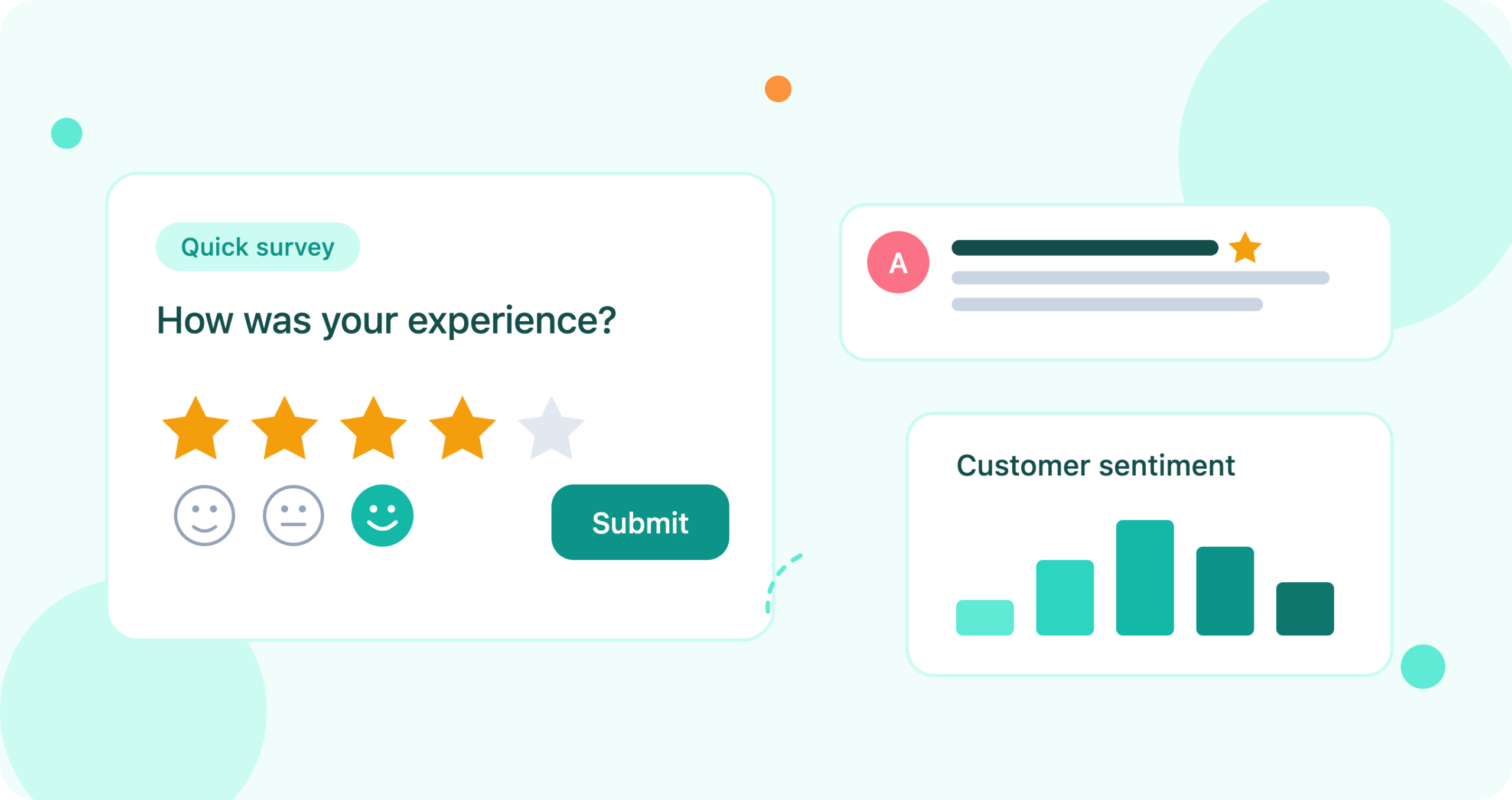
Survey marketing helps brands understand how customers feel about their products, services, or any other aspect of the brand. As one of the oldest forms of marketing, it remains one of the best approaches for generating genuine, high-quality leads.
Consider any major brand — Amazon, Tesla, or others — they still rely on survey marketing to understand what their customers want. Amazon constantly prompts buyers to rate products and leave reviews after every purchase, while Tesla surveys its owners on satisfaction and feature requests to shape future updates. These aren’t afterthoughts; they’re a core part of how these companies stay ahead.
How to Build the Right Survey Marketing Campaign
Survey marketing isn’t just about asking questions — it’s about asking the right questions of the right customers. The quality of your survey determines the quality of your insights. Here’s how to get it right:
- Define a clear goal: Know what you want to learn before you write a single question. “Improve checkout experience” leads to sharper surveys than a vague “get feedback.”
- Target the right audience: A question is only useful if it reaches people who can answer it well. Segment your customers by recent purchase, activity, or loyalty so the responses are relevant.
- Keep it short: The longer the survey, the fewer people finish it. Stick to the few questions that actually matter.
- Ask one thing per question: Avoid double-barreled questions like “Was our service fast and friendly?” — split them so the answers are clear.
- Choose the right channel: Email, in-app pop-ups, and social media each reach customers in different moments. Match the channel to where your audience already engages with you.
Let’s come back to asking one thing per question, because getting this right is what separates a useful survey from a frustrating one. Beyond that, your survey should reflect your brand’s theme and stick to questions that are genuinely relevant to your goal. This is where Feedal comes in. Feedal is a feedback and survey tool that lets you create the right form for your customers — one question at a time — while matching it to your brand’s theme. Once your form is ready, you can share it anywhere directly from Feedal: through an email template, a direct link, or a QR code. Best of all, you can embed it straight onto your website with a simple script. And it’s free to start with.
How to Analyse the Feedback You Receive
How you analyse feedback depends heavily on your company’s size — and the right approach looks very different at each end of the scale.
For large companies like Amazon, reading every single review is nearly impossible to do manually. But in the age of AI, this has become far simpler. You can feed all your collected data into an AI tool — whether Claude, GPT, or Feedal’s built-in AI — and understand the results in seconds. These tools can identify the overall sentiment, customer behaviour, and reactions hidden in the data, helping companies decide on the right next steps.
For startups or smaller businesses, the picture is different. If your customer base is between 10 and 100 people, going through feedback one by one is not only manageable but worthwhile. At this stage, every piece of feedback matters, and brands should engage with each customer directly to understand their needs and feature requests on a personal level.
Taking Action from Survey Marketing
Once you understand your pain points — and the things that are working well — you get a clear picture of where to invest more effort. If customers love a particular service of yours, keep improving it by continuing to gather their feedback. And if there are pain points, that’s valuable too: you now have the chance to fix them before those customers churn.
Here’s a severity table for reference, It frames feedback by how urgent it is and what action it calls for — which fits nicely after your analysis section.
| Severity Level | What It Looks Like | Example Feedback | How to Respond | Priority |
| Critical | Issues that directly cause customers to leave or block them from using your product | “I couldn’t complete my payment and gave up,” “App crashes every time I log in” | Act immediately — fix before anything else and follow up personally with the customer | Urgent (24–48 hrs) |
| High | Recurring complaints that hurt experience but have workarounds | “Checkout is confusing,” “Support took 3 days to reply” | Investigate the root cause and schedule a fix in your next cycle | High (this sprint/month) |
| Medium | Feature requests or friction points mentioned by several users | “Wish I could export my data,” “Would love a dark mode” | Log it, track how often it comes up, and prioritise if demand grows | Moderate (roadmap) |
| Low | Minor preferences or one-off opinions | “I’d prefer a different shade of blue,” “Button could be bigger” | Note it for context; act only if it aligns with broader patterns | Low (backlog) |
| Positive | Praise highlighting what’s working well | “Love how fast the dashboard loads,” “Best support I’ve had” | Reinforce and protect these strengths; use as testimonials and marketing | Ongoing |
Conclusion
To conclude, survey marketing remains one of the most efficient and effective ways to interact with your customers. Understanding their exact requirements and pain points through forms can never steer you wrong — surveys help you learn what truly works best for your products. So start creating your own forms, whether with Feedal or another platform, and begin understanding what your customers really need.